

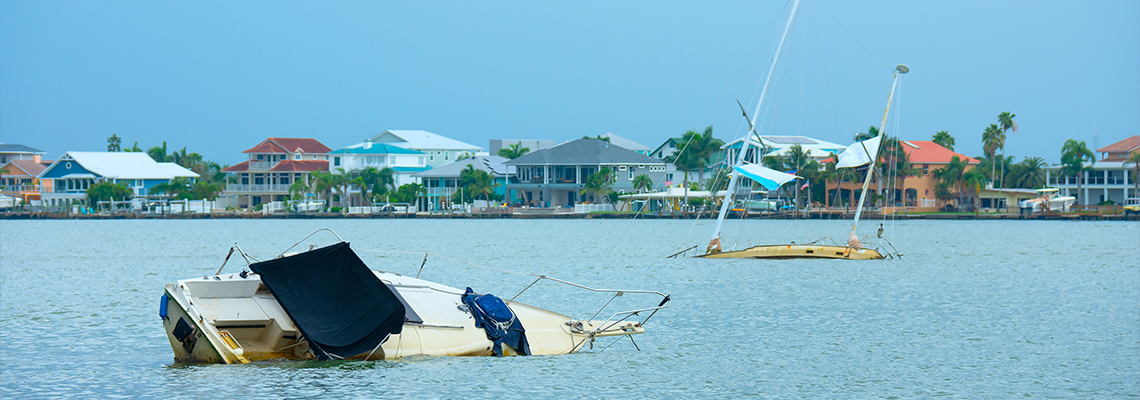
How Do You Establish Liability in Boating Accident Cases?
A day on the water can change in seconds when another person acts carelessly. After a serious boating crash, you may be dealing with injuries, medical bills, time away from work, and questions about who is responsible.
Boating accidents can result from speeding, alcohol use, distracted operation, poor maintenance, unsafe turns, crowded waterways, or failure to follow boating laws. Establishing liability generally requires showing that another party owed you a duty of care, breached that duty, caused the accident, and left you with compensable losses.
At Gama Law Firm, LLC, we help injured people review the facts, gather evidence, and pursue accountability after serious boating accidents. We serve clients in Denver, Aurora, Parker, Centennial, and Castle Pines, as well as communities near the southeastern edge of the Denver Metro Area. Contact us to discuss what happened and learn which options may be available.
Evidence That Shows What Happened
The first step in establishing liability is gathering evidence showing how the boating accident occurred. Memories can fade, damage may be repaired, and weather or water conditions can change quickly, making early documentation important.
Useful evidence may include:
Accident reports: Reports may identify the people and vessels involved and contain statements, location details, and officer observations.
Photos and videos: Images of vessel damage, injuries, weather, water conditions, and safety equipment may help document the circumstances.
Witness statements: Passengers, nearby boaters, marina employees, or shoreline witnesses may describe what they observed.
Maintenance records: Service records may show whether a mechanical problem or inadequate maintenance contributed to the accident.
Medical records: Treatment records can document your injuries, symptoms, and medical expenses following the crash.
This evidence can help establish a timeline and determine whether an operator, owner, rental company, manufacturer, or another party contributed to the accident.
Negligence in Boating Accidents
Many boating accident claims are based on negligence. Negligence occurs when someone fails to use reasonable care under the circumstances. On the water, that may involve unsafe operation, failure to keep a proper lookout, boating under the influence, or disregarding applicable boating rules.
A boat operator may be liable for speeding near other vessels, operating while impaired, failing to yield, ignoring dangerous weather, or overloading the boat. A rental company could be responsible if it negligently supplied an unsafe vessel or failed to provide safety instructions required under the circumstances. A boat owner may also be liable if inadequate maintenance contributed to the accident.
We can review the circumstances and identify the conduct that may support your claim. Liability is not always limited to the person operating the boat. The evidence may show that another person or business also contributed to your injuries. The law that applies may depend on where the accident occurred. Colorado law may govern accidents on some waterways, while federal maritime law may apply in other cases.
When More Than One Party May Be Responsible
More than one party may share responsibility for a boating accident, including boat operators, owners, rental or tour companies, manufacturers, and marinas. Each may have distinct legal duties and insurance coverage.
For example, one operator may have made an unsafe turn while another was speeding. A rental company may have failed to inspect the vessel before allowing a customer to use it. A manufacturer may have produced a defective component that affected the boat’s steering or engine performance. In some cases, a marina or property owner may have failed to address a hazard under its control.
Accident reports, photographs, witness accounts, maintenance records, and an inspection of the vessel may show how each party contributed to the crash. Because insurers may dispute or shift responsibility, a thorough investigation can help identify everyone whose actions contributed to your injuries.
How Damages Support the Claim
Establishing liability is only part of a boating accident case. You must also document the harm caused by the accident. Depending on the circumstances, recoverable damages may include medical expenses, lost income, reduced earning capacity, pain and suffering, physical limitations, emotional distress, and future care needs.
Some boating injuries are immediately apparent, including broken bones, cuts, burns, and head trauma. Other injuries or symptoms, such as back and neck injuries or concussions, may not be fully recognized at the scene. Seeking prompt medical care protects your health and creates records documenting your condition after the crash.
Your damages also depend on how the injury affects your daily life. You may miss work, need assistance at home, stop participating in activities, or require ongoing treatment. Medical records, employment documents, expense records, and notes about your symptoms and limitations may help show the accident’s financial and personal effects.
An insurer may argue that your injuries were preexisting, unrelated to the crash, or less severe than claimed. Consistent medical treatment and detailed documentation can help address those arguments.
How We Can Help After a Boating Accident
If another party’s negligence caused your injuries, establishing liability requires evidence showing what happened, how the responsible party contributed to the accident, and which losses resulted.
At Gama Law Firm, LLC, we help you gather evidence, investigate fault, address insurance disputes, and pursue compensation after serious boating accidents. Our firm serves clients in Denver, Aurora, Parker, Centennial, and Castle Pines, as well as nearby communities throughout the southeastern Denver Metro Area. Contact us today to discuss your case and learn how we may be able to help.